

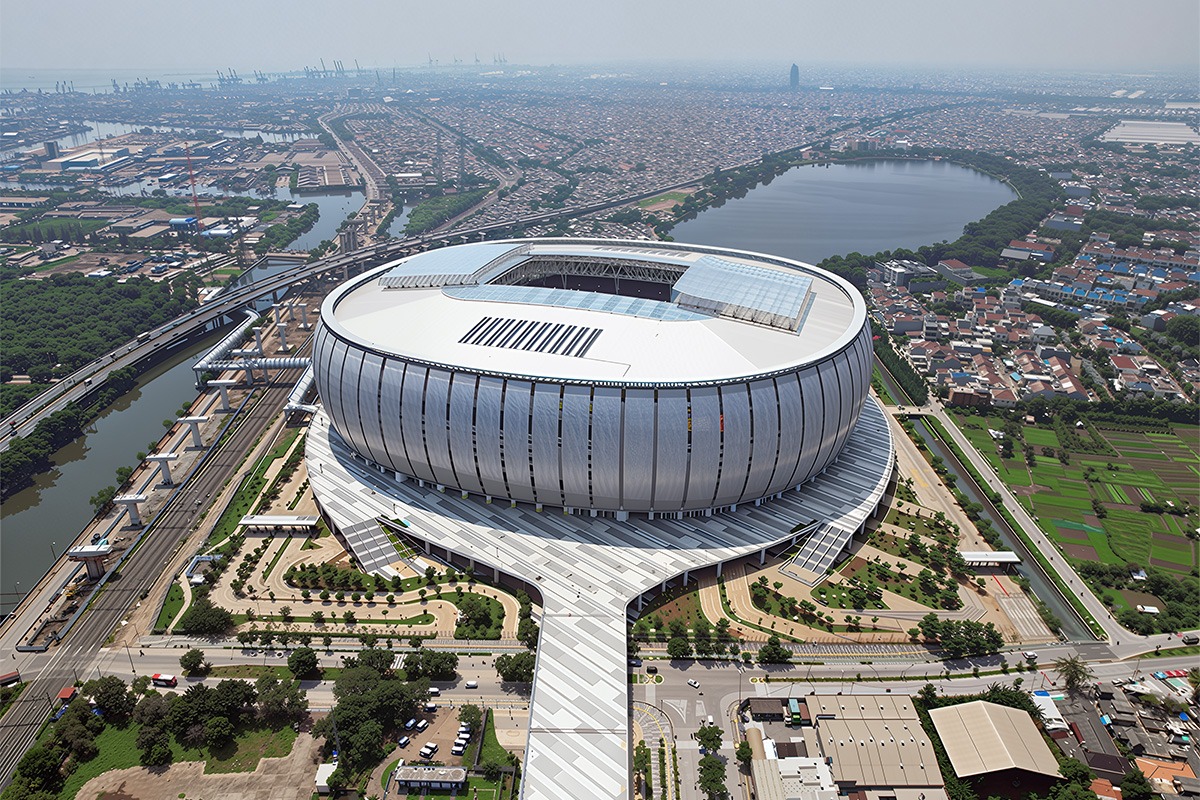
Governor of Jakarta, Pramono Anung, confirmed that long-delayed supporting infrastructure for Jakarta International Stadium will finally move from promise to reality with a bridge groundbreaking set for late January. He said the connector from Ancol to the stadium would improve accessibility, ease congestion, and integrate parking and recreation areas around the venue. The editorial tone is one of cautious optimism after years of planning inertia. The city, at least on paper, is reclaiming momentum.
Pramono added that abandoned monorail pillars scattered across the capital would start to be dismantled the following week. He stressed that demolition work would be carried out mostly at night to avoid worsening daytime traffic, particularly along Rasuna Said. For residents weary of half-finished megaprojects, the pledge sounds refreshingly practical. The real test will be execution, not ceremony.
The Governor framed both projects as part of a broader clean-up of Jakarta’s urban scars. The bridge is meant to solve structural access problems at JIS, while the monorail removal is designed to erase reminders of failed ambitions. In an editorial reading, the two moves are symbolically linked: one builds something useful, the other admits what no longer works. That dual approach hints at a more mature style of governance.
Still, promises have come and gone in this city. The administration must show that deadlines are not merely rhetorical milestones. If January passes with bulldozers rather than excuses, Jakarta may finally turn spectacle into service. For now, the public watches and waits, measuring the distance between groundbreaking words and real progress.
Alexander Jason – Redaksi
