

The trend of dengue hemorrhagic fever cases in Jakarta has shown an early increase at the start of 2026, raising public health attention in the capital. Weekly data indicate cases rose from 69 in week 53 of 2025 to 83 in week one of 2026. While this increase is notable, it remains lower than the surge recorded during the same period in January 2025. The pattern suggests seasonal pressure rather than an exceptional outbreak so far.
Head of the Jakarta Provincial Health Agency, Ani Ruspitawati, reported that a total of 143 dengue cases had been recorded in Jakarta as of January 19, 2026. She explained that the data require close monitoring, particularly as the rainy season continues. High rainfall conditions are widely recognized as a key driver of dengue transmission. For health authorities, the figures serve as an early warning rather than a cause for alarm.
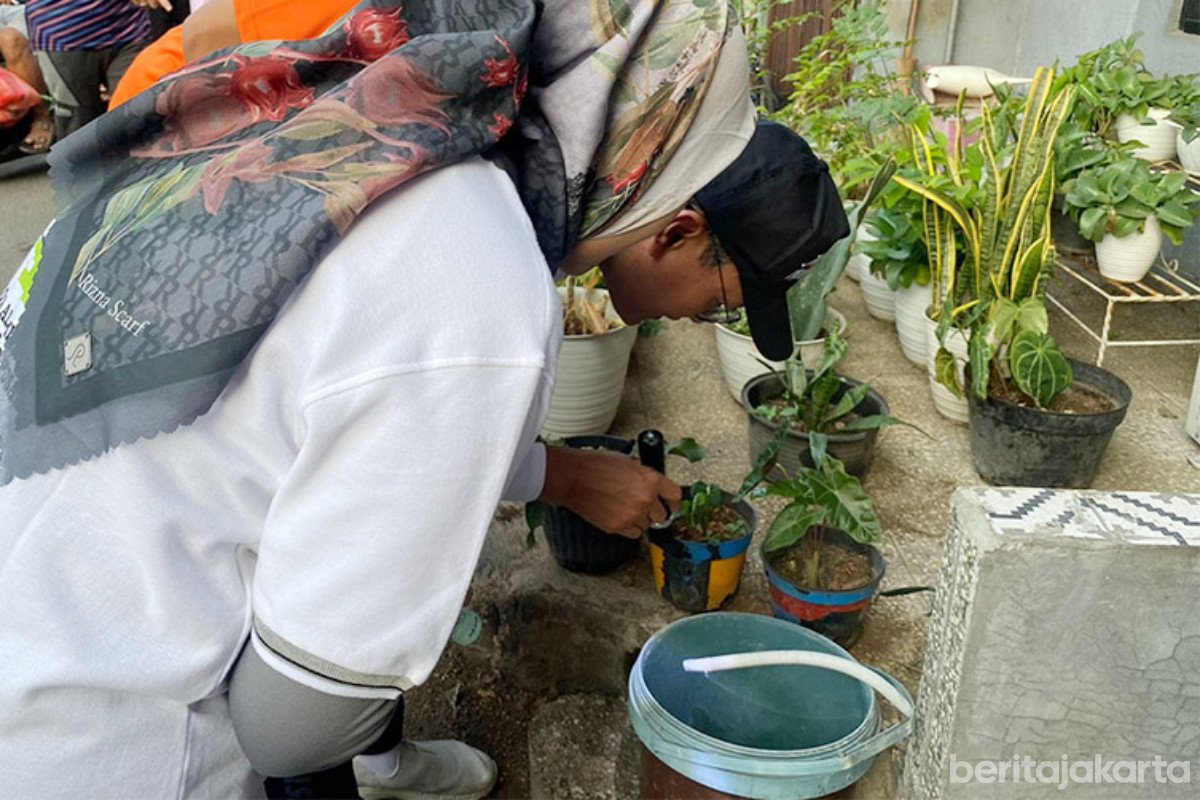
Ani pointed to unmanaged waste and certain ornamental plants that can hold stagnant water as major risk factors. Combined with heavy rainfall, these conditions create numerous breeding sites for Aedes aegypti mosquitoes, the primary vector of dengue fever. The growing mosquito population directly increases the risk of transmission within communities. This environmental vulnerability remains a recurring challenge for urban areas like Jakarta.
In response, the Jakarta Provincial Health Agency has intensified preventive measures in coordination with community health centers. These efforts include public outreach on mosquito nest eradication through the 3M program, which stands for draining, covering, and recycling water containers. The agency is also working with subdistrict and district officials, alongside larva monitoring volunteers known as Juru Pemantau Jentik. Monitoring activities have been increased to twice a week as part of a broader strategy to suppress further growth in dengue cases across the city.
Alexander Jason – Redaksi
