

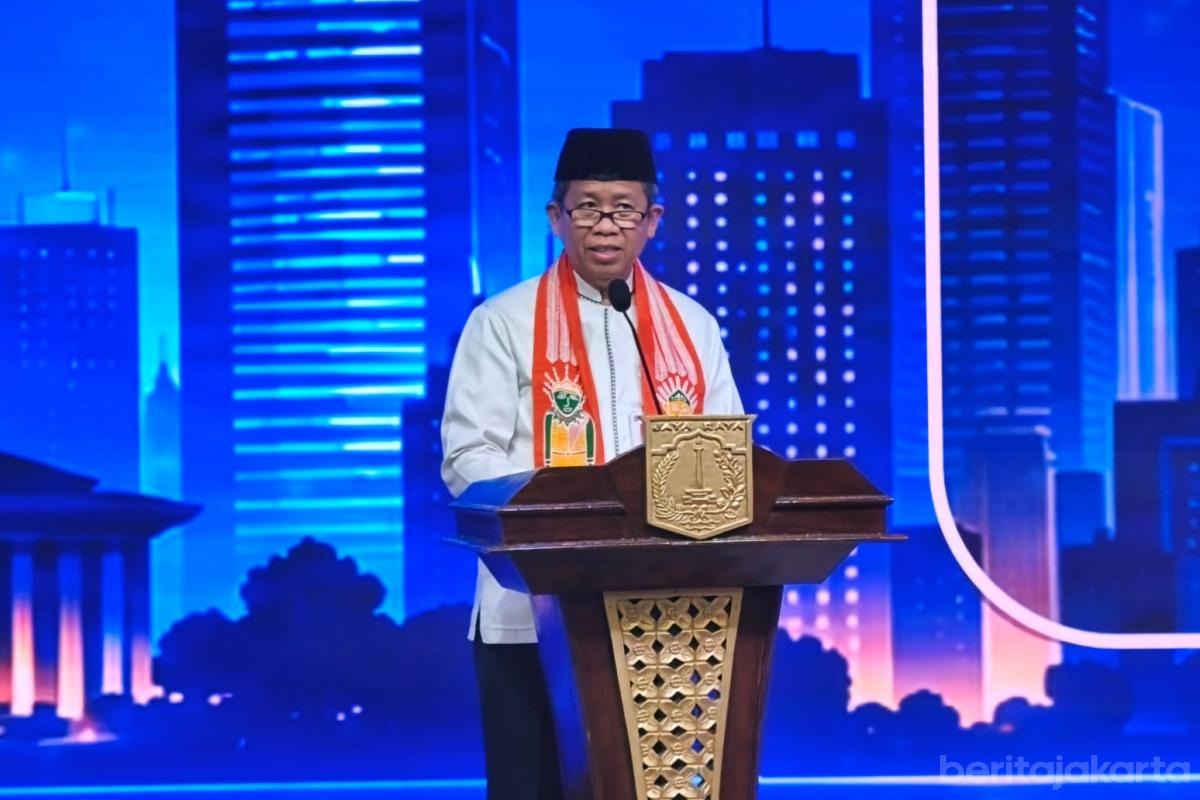
The Jakarta Provincial Government strengthened public education on the safe and rational use of medicines through World Pharmacists Day (WPD) 2026 at Jakarta City Hall on Friday, September 25. The event carried the theme “Protect Medicines, Protect the Community: Strategic Collaboration to Build a Medicine-Smart Society.” Assistant for Public Welfare to the Jakarta Regional Secretary, Ali Maulana Hakim, emphasized that pharmacists play an important role in improving public understanding of proper medicine use. He said education is needed to prevent medicine misuse, illegal drug distribution, and antibiotic resistance.
Ali said Jakarta faces increasingly complex health challenges, including self-medication without adequate understanding and the misuse of medicines such as Tramadol, Dextromethorphan, Trihexyphenidyl, and Haloperidol. He said pharmacists can help guide appropriate treatment, reduce potential side effects, maintain reliable medicine supplies, and protect residents from medicine misuse and illegal products. For this reason, he said law enforcement should be accompanied by preventive measures involving pharmacists, families, Family Welfare Movement or PKK cadres, authorities, and other stakeholders. The approach places public education alongside enforcement as part of efforts to address unsafe medicine use.
Meanwhile, Deputy Head of the Jakarta Health Agency, Savitri Handayana, encouraged 61 newly appointed Agents of Change to expand education on safe and rational medicine use. Residents were also advised not to purchase medicines indiscriminately through online platforms and instead make use of available health facilities, including hospitals, community health centers, supporting community health centers, and services that can visit residents at home. The Health Agency is also expanding education to families about the dangers of misusing controlled medicines and the importance of checking the legality of skincare products through the Food and Drug Supervisory Agency, or BPOM. Its other initiatives include education through the DIMBA portal, household medicine screenings with PKK cadres, and surveys on treatment adherence among diabetes patients.
Lucia Rizka Andalusia, Director of Pharmacy and Medical Devices at the Ministry of Health, stressed that pharmaceutical services must be accompanied by accurate information for the public. Pharmacists are expected to ensure that people understand how to properly use, store, and dispose of medicines, while the Agents of Change are encouraged to share this knowledge with their families and surrounding communities. Lucia also said the results of the Free Health Check program should be followed up through access to treatment, patient monitoring, and adherence to prescribed therapy. The initiative therefore seeks to strengthen cooperation between pharmacists, health authorities, families, and communities in promoting safer medicine practices.
Alexander Jason – Redaksi
