
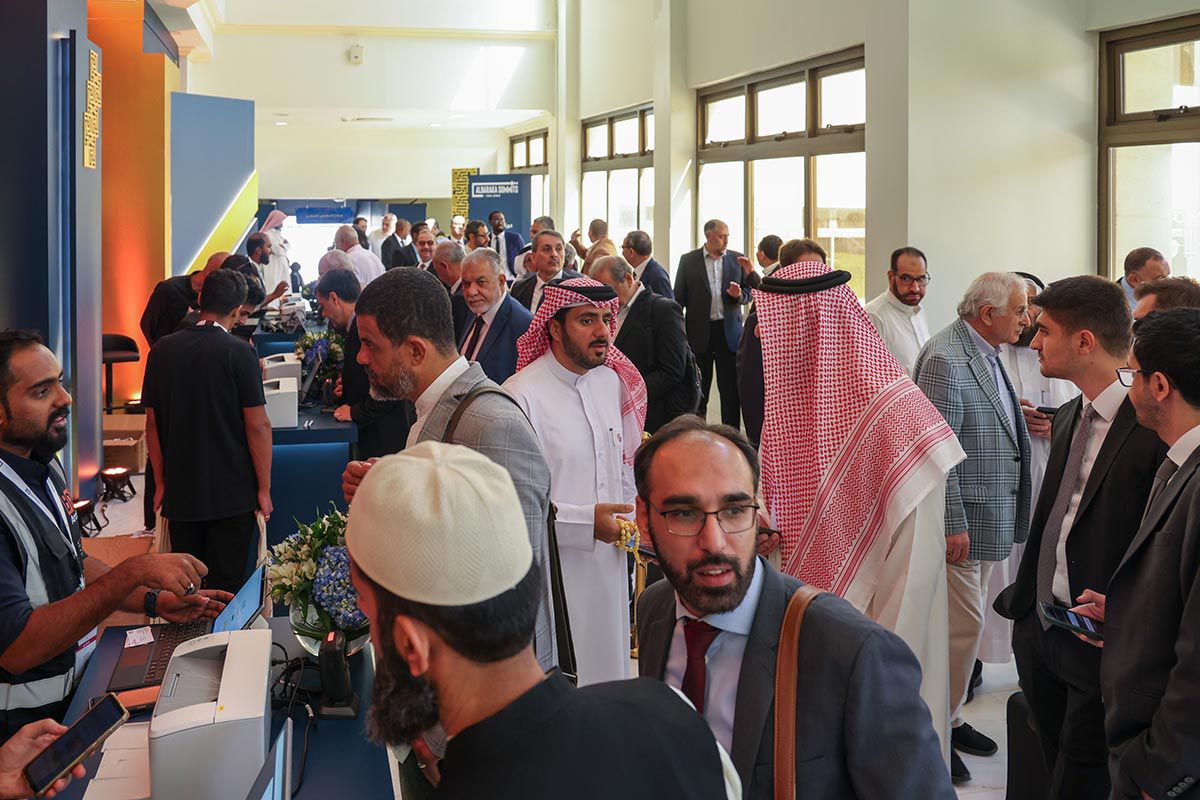
The 46th edition of the AlBaraka Islamic Economics Symposium is set to begin in Madinah under the theme The Righteousness and Benevolence in Islamic Economy: The Future Forward. Organized by the AlBaraka Forum for Islamic Economy, the symposium will run from 9–11 February 2026 at the University of Prince Mugrin, Female Campus. The gathering will bring together leading scholars, policymakers, financial experts, and institutional representatives from 18 countries. It is widely regarded as one of the largest and most influential intellectual forums on Islamic economics in the region.
Hosted by the University of Prince Mugrin as official host partner, the symposium is supported by AlBaraka Group as a global partner and Iqraa Media as media partner. The event continues a four-decade legacy of advancing Islamic economics as both a theoretical and applied discipline. It has consistently provided a platform for dialogue that integrates ethical values with economic efficiency. This year’s edition reinforces that tradition by placing development, justice, and social stability at the center of economic discussion.
Chairman of the Board of Trustees of the AlBaraka Forum for Islamic Economy, Abdullah Saleh Kamel, emphasized that the symposium reflects the intellectual vision established by the late Sheikh Saleh Abdullah Kamel. He highlighted Islamic economics as a civilizational project grounded in values, measured by impact, and oriented toward sustainable development. The current edition marks a turning point by positioning righteousness and benevolence as a core economic and developmental pillar. This sector is presented as capable of addressing contemporary challenges through instruments such as Zakat, Waqf or endowment, charity, Qard Hasan or benevolent loans, and volunteerism.
Secretary General of the AlBaraka Forum for Islamic Economy, Yousef Hasan Khalawi, noted that the forum has long bridged academic foundations with real-world application. He stressed that the symposium seeks to reframe the righteousness and benevolence sector as an essential economic component rather than a supplementary activity. The program includes six main sessions, specialized lectures, and applied workshops focused on innovation, youth empowerment, and social entrepreneurship. Through initiatives such as the Saleh Kamel Islamic Economics Award and the Young Researchers Hosting Grant, the symposium underscores its commitment to investing in human capital and shaping the future of Islamic economics.
Alexander Jason – Redaksi
