

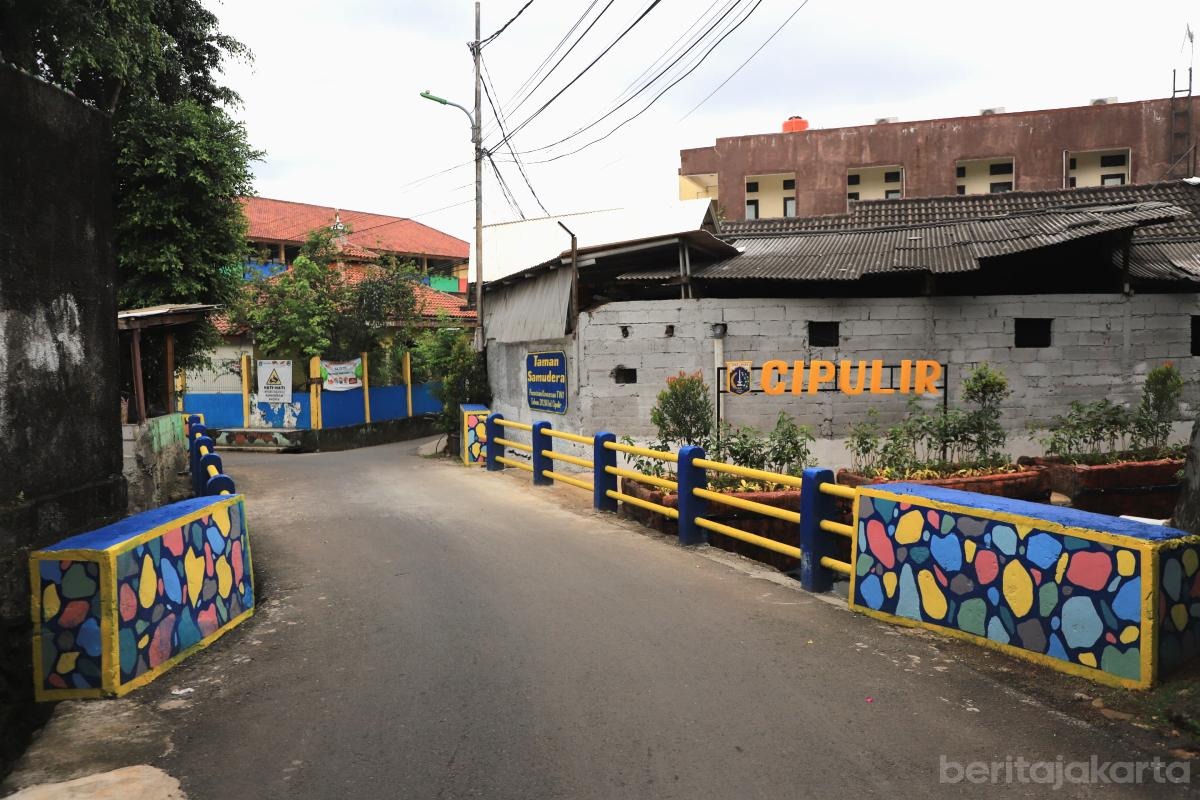
The revitalization of a priority area in Cipulir, South Jakarta, illustrates how small-scale urban improvements can significantly enhance neighborhood aesthetics. The project, located along Jalan SD Cipulir near the Sekretaris River, has transformed what was once an untidy riverside space into a more organized and visually appealing environment. Residents have responded positively, noting that the improvements extend beyond vacant land to include surrounding structures such as bridge railings. This reflects a broader effort to create cohesive and livable public spaces within dense urban settings.
A local resident, Efriansyah, observed that the area previously appeared neglected and poorly maintained. Efriansyah highlighted that the addition of color and structured design elements has made the area more inviting and orderly. He expressed hope that similar initiatives would be expanded to other parts of the neighborhood, particularly in areas that still require attention. Such community feedback underscores the importance of inclusive development that resonates with local needs.
From the administrative perspective, Head of Economic and Development Affairs of Cipulir Urban Village, M Tahjuddin Rosyi, explained that the project covered approximately 48 square meters and began in early 2026. Rosyi stated that the site had long been used as an informal dumping ground, contributing to its deteriorated condition. The transformation into what is now known as Taman Samudera involved collaboration with the South Jakarta Parks and Urban Forest Sub-agency. This partnership enabled the introduction of ornamental plants and a greener landscape concept.
The redesigned space features vibrant yellow and blue accents on walls and bridge railings, enhancing its visual identity while fostering a sense of community pride. Rosyi emphasized that while the physical work has been completed, maintaining the area remains a shared responsibility. He called on residents to participate in basic upkeep, including watering plants and preventing vandalism. This collaborative approach highlights that sustainable urban improvement depends not only on government intervention but also on active public engagement.
Alexander Jason – Redaksi
