

Around 83,850 residents in Cibubur, Ciracas District, East Jakarta, have begun separating their household waste at the source, according to data presented during a waste management socialization and evaluation program held at the Cibubur Urban Village Office. The initiative has now been implemented across all 14 neighborhood associations (RW), allowing many residents to manage their waste directly from home instead of relying entirely on temporary waste collection sites.
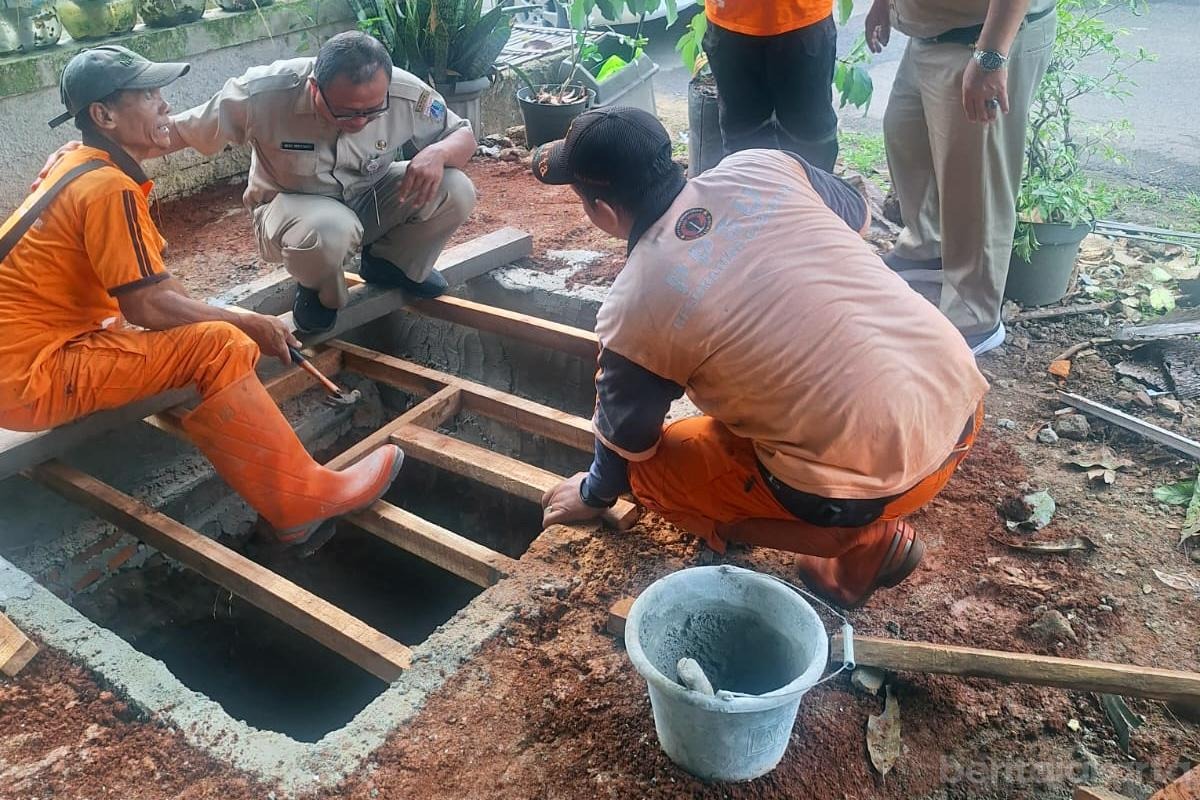
Cibubur Urban Village Secretary Nurhasanah explained that organic household waste is processed using large biopore pits measuring one meter in diameter and two meters deep, while recyclable inorganic waste is collected through local waste banks for recycling. As a result, only residual waste is transported to the final disposal site. She praised residents for actively participating in the program, noting that it has helped reduce the volume of waste sent to the Bantar Gebang Integrated Waste Processing Site (TPST).
Currently, 20 jumbo biopore pits have been installed across RW 03, RW 06, and RW 10, with construction carried out by 20 Public Infrastructure and Facilities Maintenance (PPSU) workers. Nurhasanah said additional pits will be built based on community needs and land availability. Meanwhile, Ciracas District Secretary Rahma Edwina said the socialization program was attended by 60 participants, including neighborhood leaders, community representatives, Family Welfare Movement (PKK) members, and Dasawisma volunteers. Besides promoting waste separation, the event also included updating data into Jakarta’s official waste separation monitoring dashboard.
Rahma added that although more than 83,000 residents have already adopted waste separation practices, data entry into the Jakarta Waste Separation Movement dashboard is still ongoing. She expressed hope that residents would remain consistent in separating their waste to support the city’s goal of reducing waste deliveries to TPST Bantar Gebang starting August 1. RW 10 Chair Nur Syamsi also highlighted that the program has created economic benefits for local waste collectors, who now earn additional income from selling recyclable materials alongside their regular waste collection services, while encouraging more residents to participate in tackling Jakarta’s waste problem.
Alexander Jason – Redaksi
