

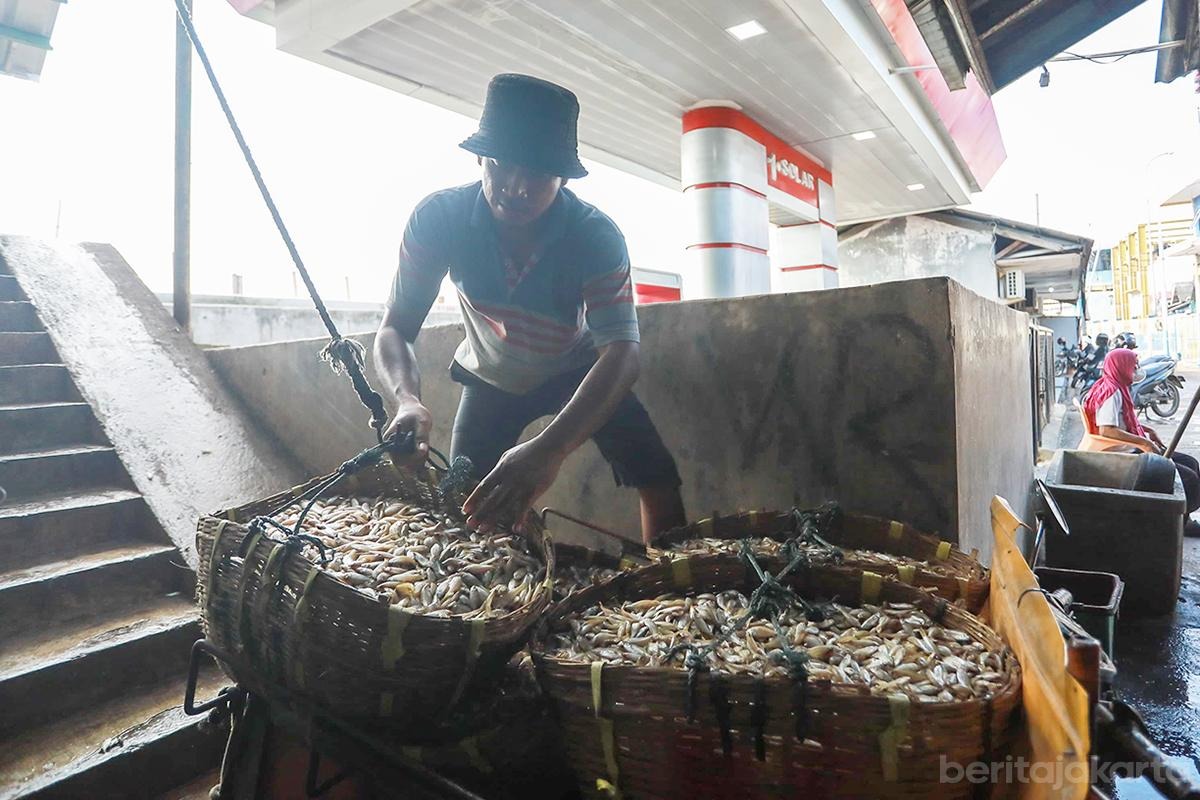
The dry season has brought positive momentum for Jakarta’s capture fisheries, with fish stocks increasing across the capital’s coastal waters. According to the Jakarta Food Security, Marine, and Fisheries Agency (KPKP), the prolonged dry weather has triggered an upwelling process that carries nutrient-rich water from deeper layers to the surface. These nutrients promote plankton growth, providing a natural food source for fish and boosting marine productivity. As a result, catches of small pelagic species such as anchovies, blue swimming crabs, and tiny shrimp have increased, benefiting local fishermen.
The favorable weather has also supported fish processing activities throughout the region. Stronger sunlight and lower rainfall have accelerated the drying process for salted fish, allowing producers to improve product quality while reducing production time. These conditions have created additional economic opportunities for both fishermen and small-scale seafood processing businesses. The seasonal advantages are expected to continue as long as stable weather conditions persist.
Despite the current abundance, the agency reminded fishermen to prepare for the annual transition to the west monsoon season, which typically occurs between December and February. During that period, rough seas and extreme weather often disrupt fishing activities and reduce catches. Experienced fishermen are accustomed to managing these seasonal cycles by saving income earned during peak fishing months to help cover expenses during leaner periods. This long-standing practice has helped many fishing communities maintain financial stability throughout the year.
The Jakarta Provincial Government, through the KPKP Agency, reaffirmed its commitment to supporting the long-term sustainability of the capture fisheries sector. Annual programs include providing fishing equipment, delivering training to improve fishermen’s skills, and offering assistance to increase productivity and self-sufficiency. The agency also continues coordinating with relevant institutions to ensure subsidized fuel supplies remain available, properly distributed, and easily accessible so fishing operations can continue efficiently year-round.
Alexander Jason – Redaksi
